Resist child access
Child-resistant packaging requirements define the structural boundary, preventing a single intuitive action from opening the pack.
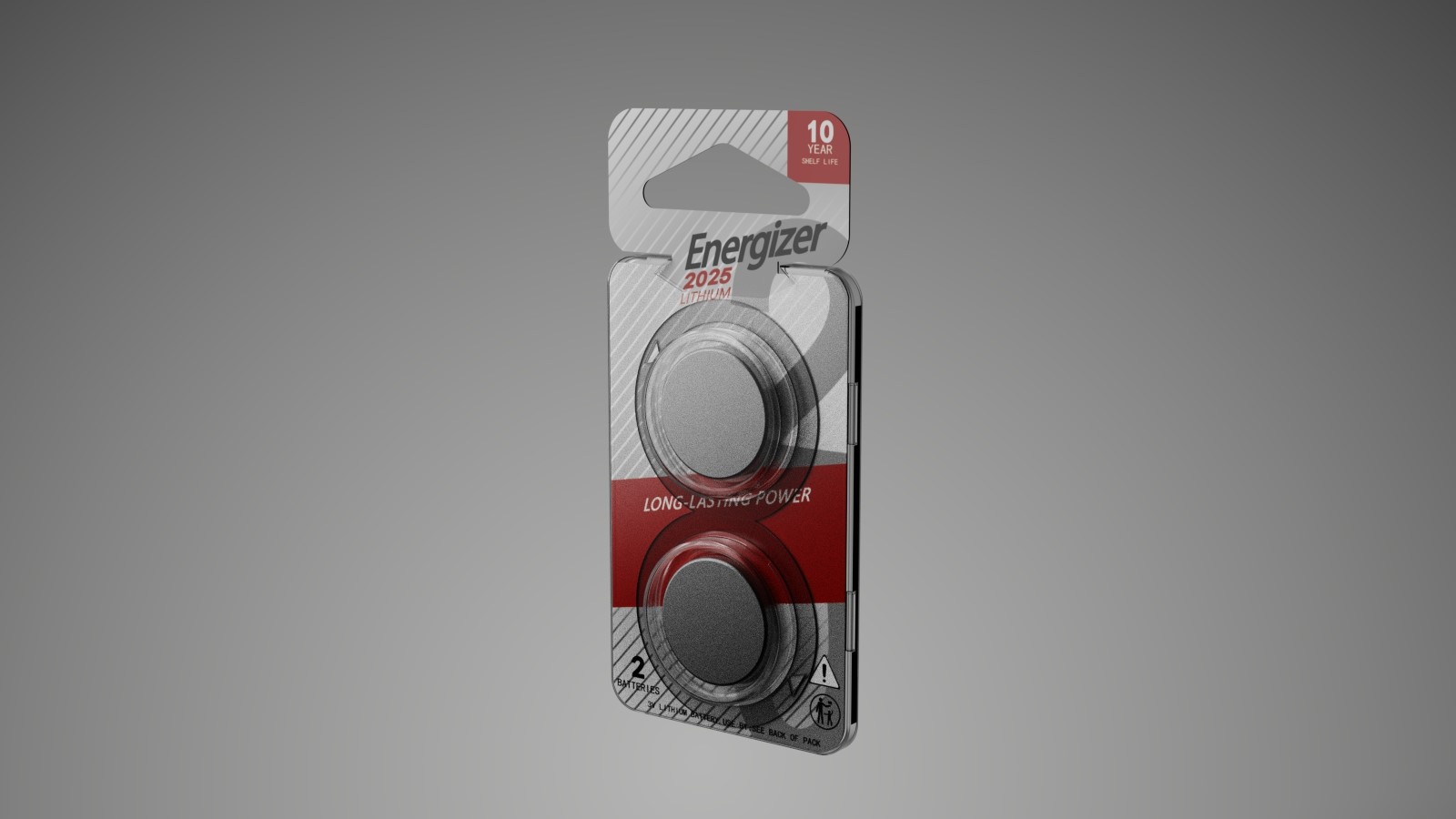
CR2032.
Child protection, single-cell access and material separation.
01 / PROJECT GOAL
CR2032 cells are small and hazardous when swallowed, so their package must balance child resistance with adult usability. This project also treats material separation after use as a core design goal, so safety does not come at the expense of recyclability.
Australian mandatory safety standards establish the design boundary.
One battery is exposed at a time to reduce loose-cell risk.
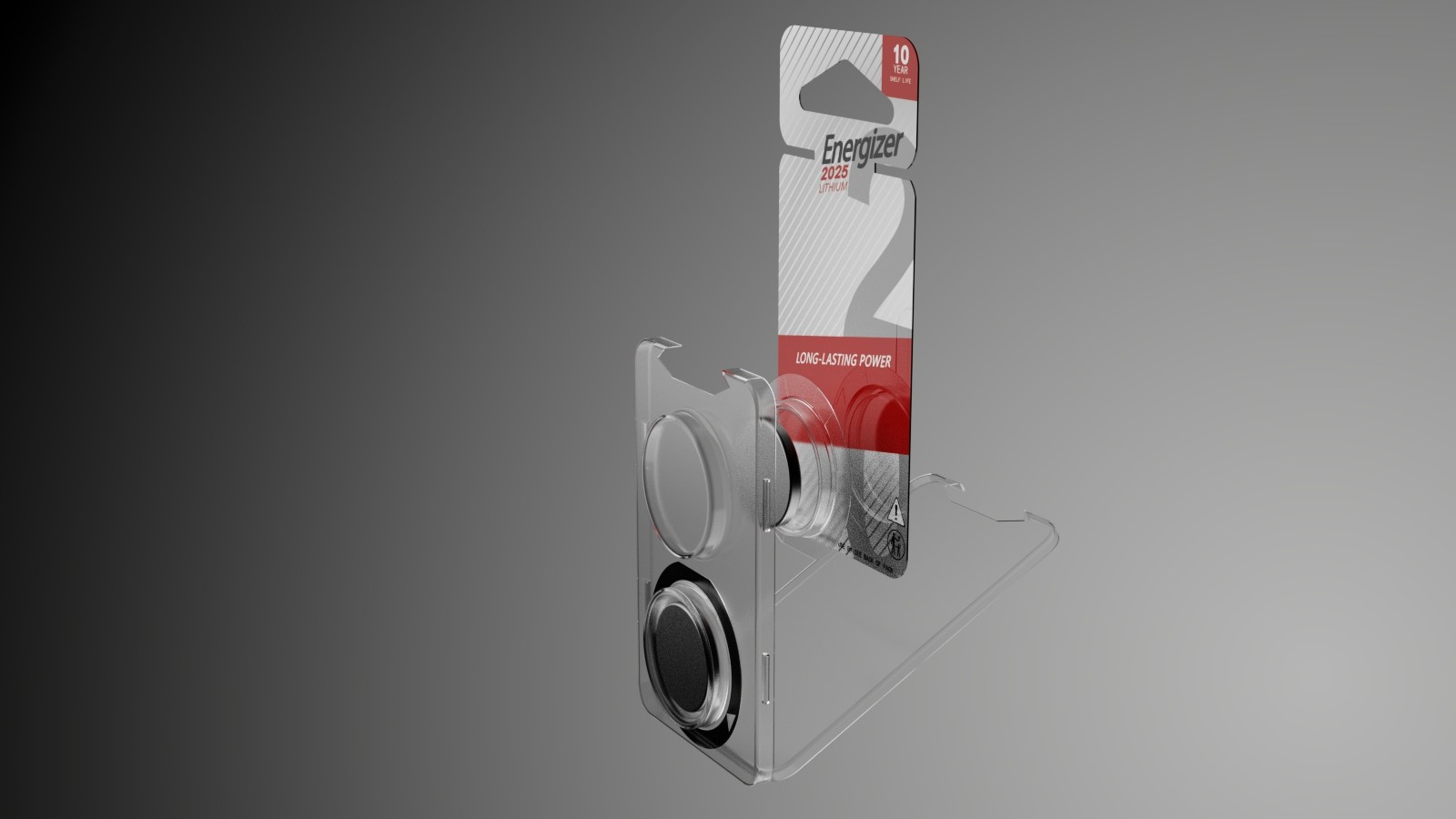
The paperboard and PET cover can be separated for material recovery.
02 / REGULATORY RESEARCH
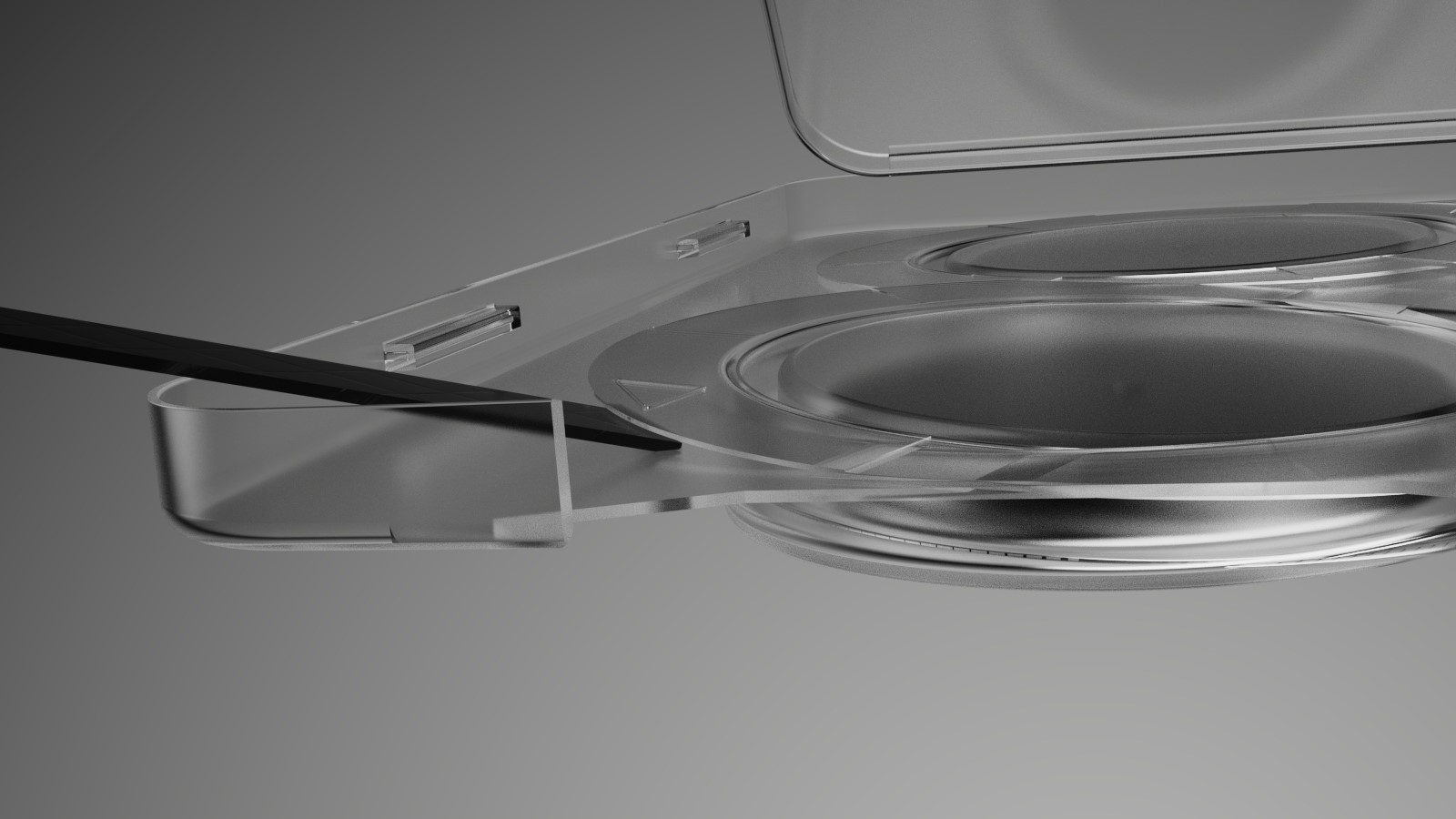
The research began with Australia's mandatory button-battery safety standards and referenced the child-resistant packaging requirements in EN 862:2016 and IEC 60086-4:2019. These requirements became practical goals for child resistance, single-cell release and adult operability.
03 / SAFE ACCESS
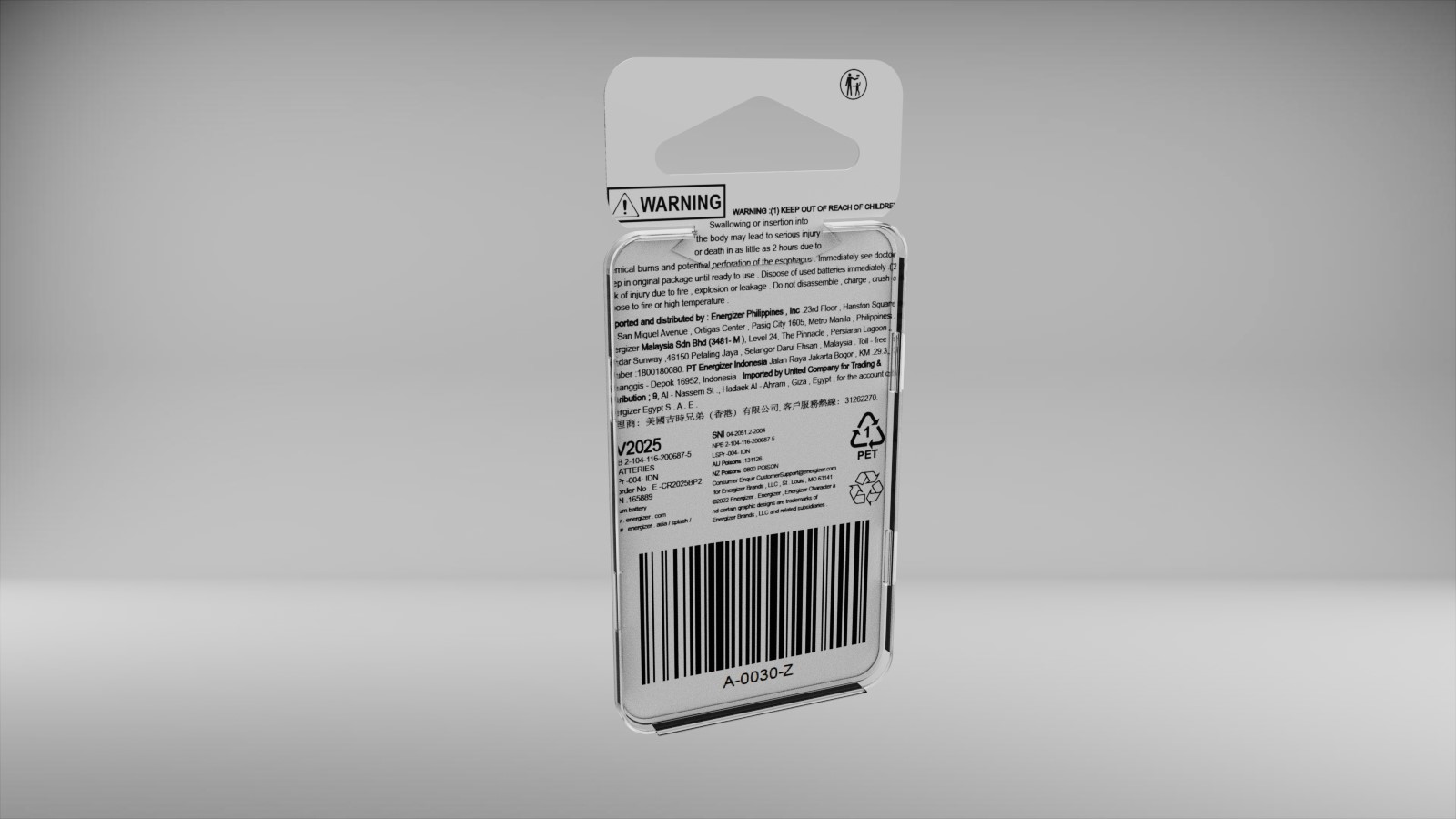
Child-resistant packaging requirements define the structural boundary, preventing a single intuitive action from opening the pack.
Only one battery is exposed at a time, reducing the risk of loose cells, multiple-cell access and accidental contact.
Clear feedback and a legible operating sequence preserve adult usability within the safety constraints.
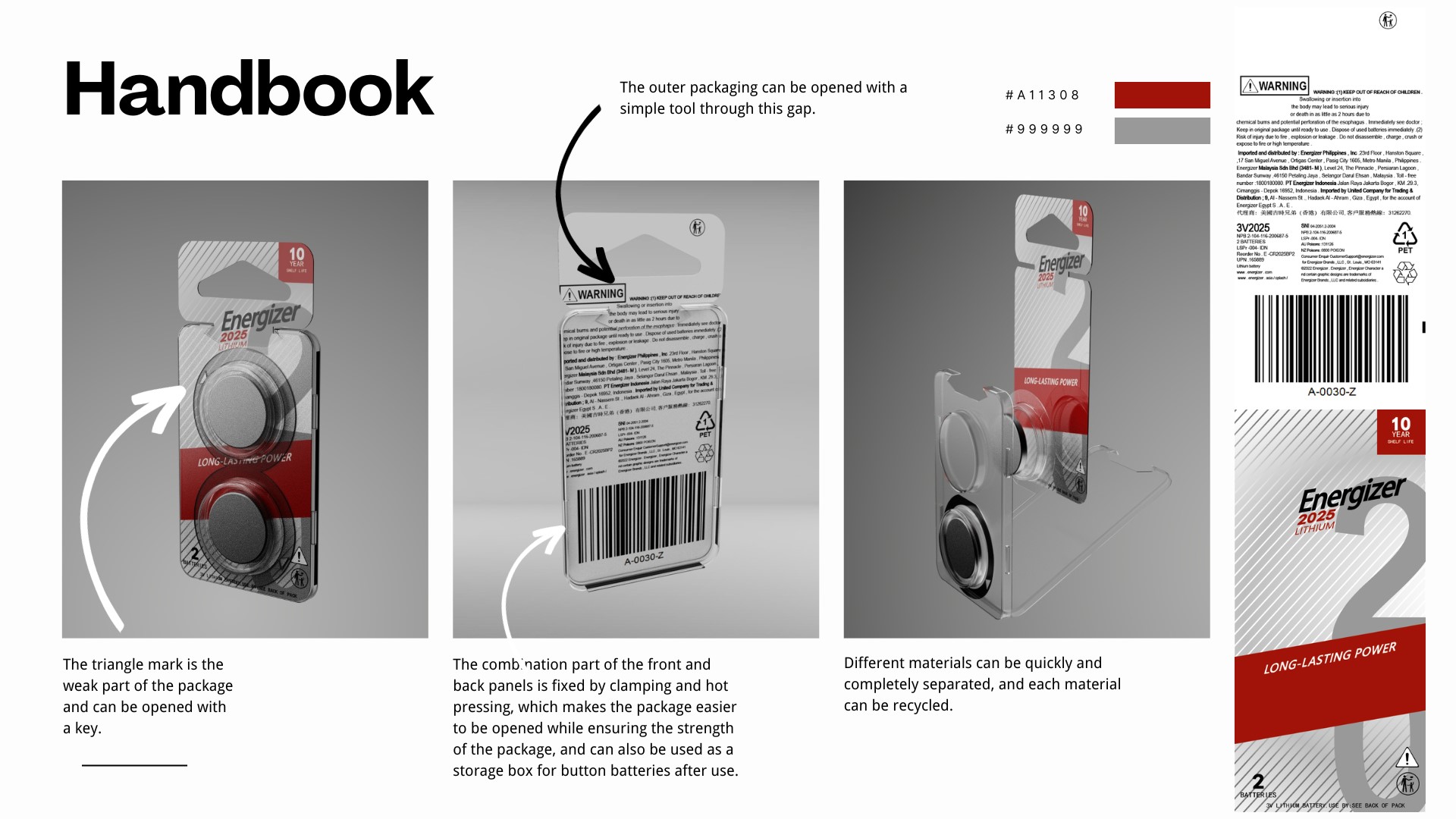
04 / CIRCULAR DESIGN
Conventional blister packs permanently bond paperboard to the plastic cover, making sorting difficult after use. This proposal reduces irreversible joins and responds to real recycling conditions, allowing the paper and PET components to separate more easily and improving the package's recovery potential.